Going down the Rift was never the hard part. Gravity does that. The problem that defined two decades of engineering was coming back: a platform that descended could not find the same shaft on the way up. Cables ended, routes shifted and radio arrived out of order.
# The problem of return
Survey-era tether platforms were one-use. Their cables tracked the route they had taken, but the route itself changed under geometry folds. A platform hauled upward would hit a wall that had not been there on the way down, or rise into a stretch of shaft that did not connect to the rim.
Ilyan Venn joined the rim engineering staff in 2202 and argued that the problem was not mechanical. A lift could not hold its route because nothing in it belonged to the shaft. His solution was to build something that did.
# The phase coupler
In 2206 platform P-3’s canister returned with a strip of Rift alloy that stayed magnetised without power. Ilyan wrapped it around a Rift Shard and built the first phase coupler: a reactor interface that draws a small, stable current from the shard and uses the alloy to lock the vehicle’s guide shoes to one stable route. In 2208 a coupled test sled held its route for forty minutes and returned on the same path it had descended.
The coupler had a side effect nobody had planned for. Any vehicle using it could draw power from the shard to run weapons and shields. It also became visible to everything in the shaft that responded to power.
# Weapons
The first carrier mounts were rock-cutting tools for clearing debris from the guide channel. After autonomous probes returned with impact scars, the Directorate approved machine guns, then cannons, then a capacitor-fed laser. A simple bolt turret stayed on every design as a last resort, because it used repeatable low-power bolts and never ran out. See Weapons.
# The 2214 failure
The first crew-rated lift was tested unmanned in 2214. It went down, held its route, came back, and arrived empty, with a shard in its core that was not on the launch manifest. Ilyan went down to the test cradle for the follow-up calibration and did not come back. See The 2214 return test.
# The C-9
After the Directorate suspended crewed descent, Ilyan’s assistant Yara Demir kept working. She rebuilt his coupler from his notes and mounted it on the original survey frame, the oldest piece of hardware that had ever come back from the shaft. She cut the design down to one pilot to save mass and reduce radio exposure. The result was the C-9 “Wayfarer”. It was certified for unmanned trials in 2217. It was never certified for a pilot.
Related articles
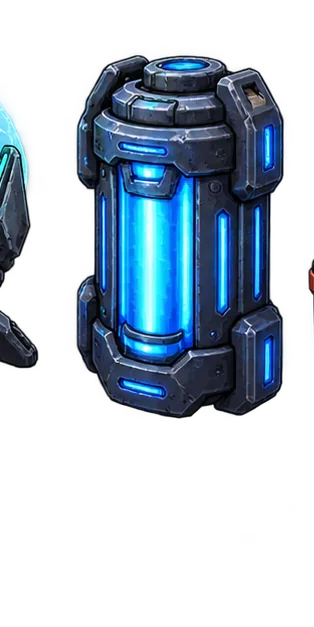 ARCHIVE RECORDReactor and phase couplerThe reactor interface that draws a small, stable current from a Rift Shard, anchors the carrier to its route, and decides which systems get power.
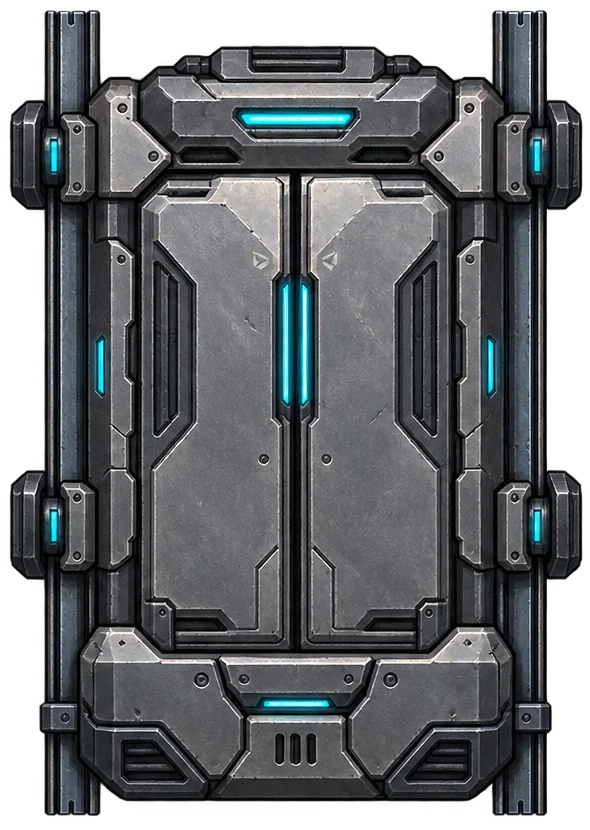 ARCHIVE RECORDC-9 “Wayfarer”A crew-rated industrial elevator rebuilt as a single-pilot armoured carrier. The only vehicle descending the Rift.
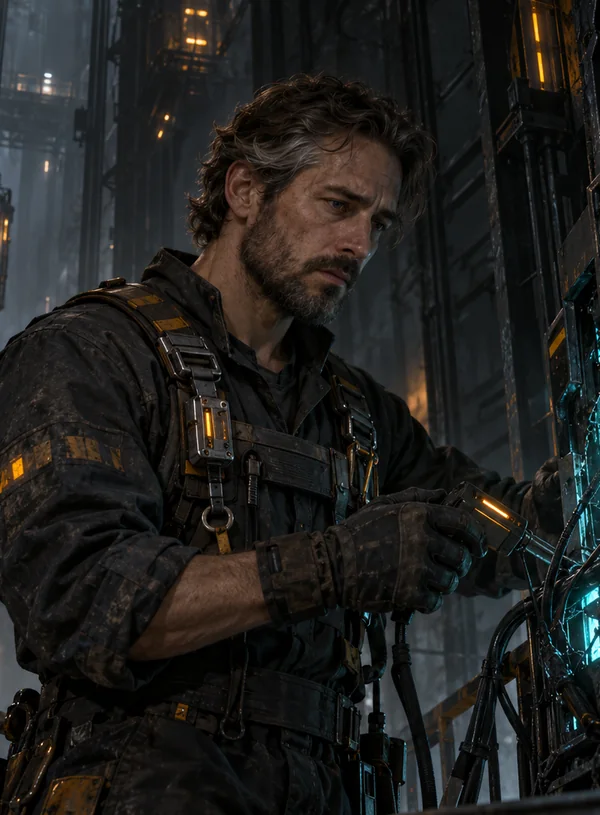 ARCHIVE RECORDIlyan VennDesigner of the phase coupler and the return-capable lift. Missing since 2214. His voice was in the last packet of the blackout.
 ARCHIVE RECORDYara DemirIlyan Venn’s assistant and the mechanic who rebuilt his coupler into the C-9. She witnessed his disappearance.
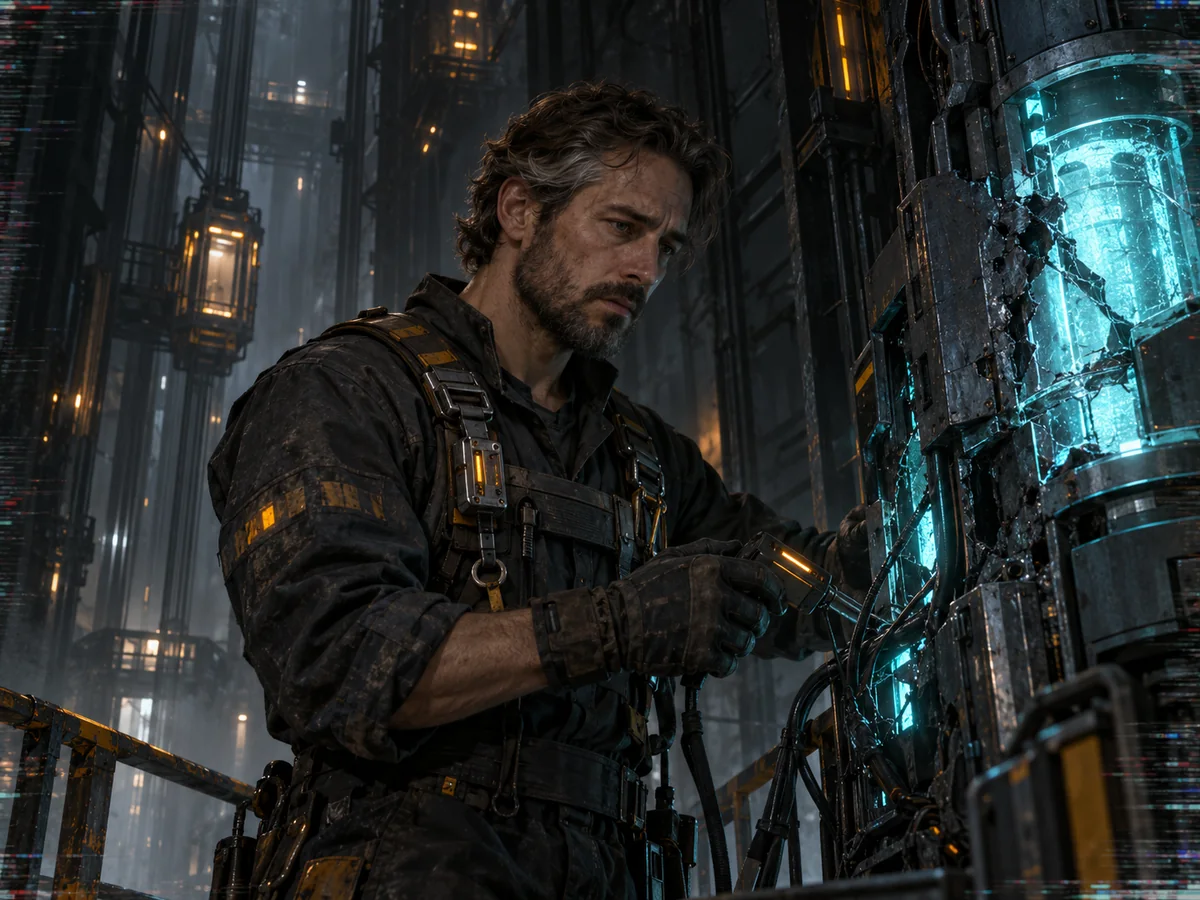 ARCHIVE RECORDThe 2214 return testThe first crew-rated lift comes back from the Rift empty, carrying a shard nobody sent down. Days later its designer disappears.